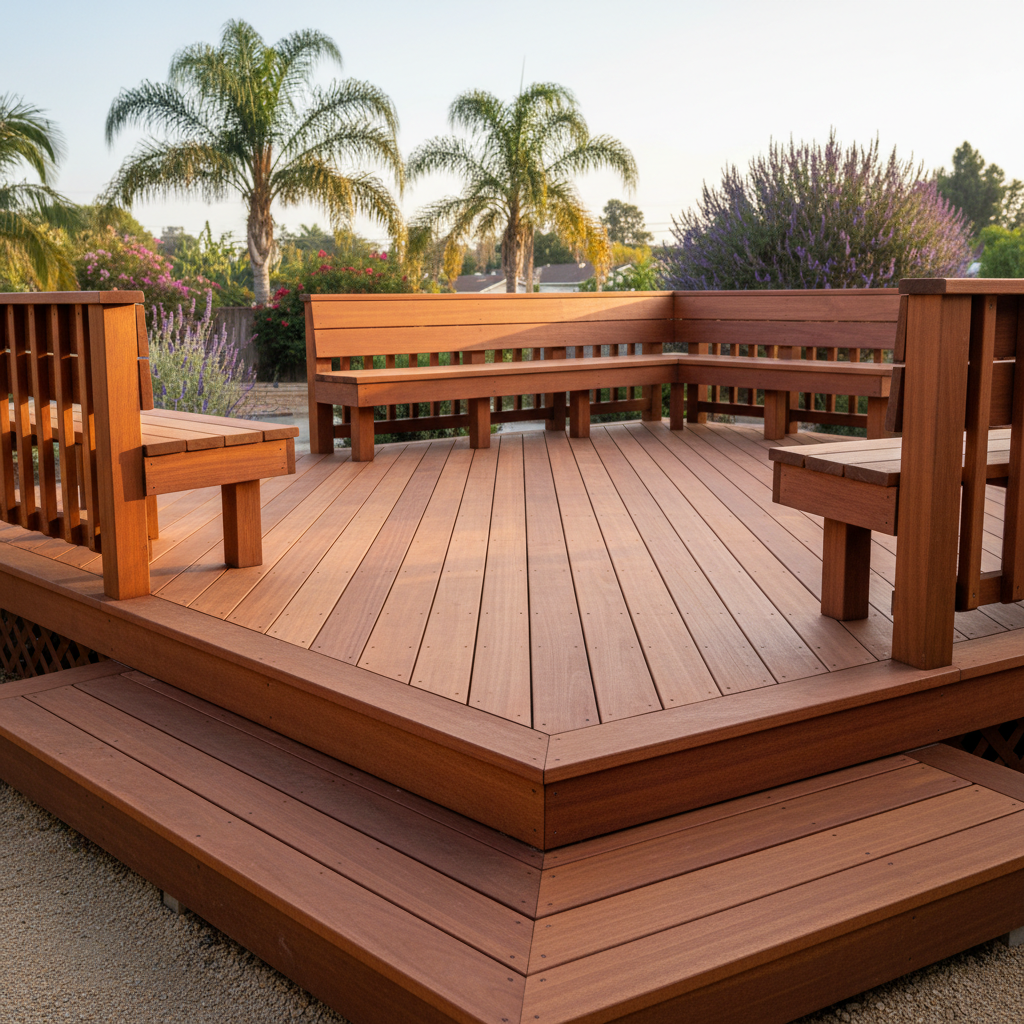
So, you're dreaming of a new deck. Maybe you've been scrolling through Pinterest, picturing summer barbecues, or just a quiet spot to enjoy the evening air. That's awesome! A deck can totally transform your backyard, adding value and a whole lot of enjoyment to your Inglewood home.
But before you grab a hammer and start digging, let's talk about what goes into building a deck. There's a big difference between putting together a pre-fab shed and constructing a safe, sturdy deck that'll last for years. I've seen a lot of projects over the years, and I can tell you, knowing when to DIY and when to call a pro is key.
Before You Even Think About Lumber
This is the planning stage, and honestly, it's where you can do a lot of the heavy lifting yourself. But don't skip steps here, or you'll pay for it later.
- Dream Big, Then Get Real: What do you want this deck to do? Dining? Lounging? A hot tub? How big does it need to be? Think about your lifestyle and how you'll use the space.
- Check Your Wallet: Set a realistic budget. Materials, tools, permits, and labor (if you hire out) all add up. Don't forget about things like railings, stairs, and finishes.
- Permits are Non-Negotiable: This is huge. You absolutely need to check with the City of Inglewood's building department. They'll have specific requirements for setbacks, height, and structural integrity. Believe me, trying to build without a permit is a headache you don't want. They'll make you tear it down, and that's a costly mistake.
- Call Before You Dig: Seriously, call 811. Utility lines run underground, and hitting one can be dangerous, expensive, and a real mess. It's a free service, so there's no excuse.
- Design & Plans: You can sketch out your own design, but for anything beyond a simple platform deck, you'll likely need professional plans for the permit application. This is often where a pro comes in handy, even if you plan to build it yourself. They know the codes and can draw up plans that'll get approved.
The Build: Where DIY Gets Tricky
Okay, you've got your plans, your permit, and your materials. Now for the actual construction. This is where you need to be honest with yourself about your skills and available time.
What You Might DIY (If You're Handy)
- Demolition: If you're replacing an old deck, tearing it down can be a good way to save some cash. Just make sure you're careful and dispose of the materials properly.
- Framing (Simple Decks): If it's a small, low-to-the-ground platform deck, and you're comfortable with measuring, cutting, and fastening, you might be able to handle the basic framing. You'll need good tools: a circular saw, a drill, a level, and a speed square are a must.
- Decking Installation: Laying the deck boards can be done by a determined DIYer. It's repetitive, but satisfying. Just pay attention to spacing and fastening patterns.
- Railings (Basic): Simple, pre-fabricated railing systems can be installed by a homeowner with decent carpentry skills.
When to Absolutely Call a Pro
Don't mess around with these. Your safety, and the safety of anyone using your deck, depends on getting these right.
- Footings & Foundation: This is the most critical part. Inglewood's soil can vary, and getting the footings right – dug to the correct depth, properly sized, and poured correctly – is essential for stability. If your deck isn't properly supported, it's a disaster waiting to happen. This is usually a job for someone who does it all the time.
- Complex Framing: If your deck is elevated, multi-level, attached to your house, or involves cantilevers, you need a pro. These require precise engineering and construction to be safe and up to code.
- Stairs: Building safe, code-compliant stairs is surprisingly tricky. Rise, run, handrail height – there are specific rules you have to follow. It's not just about getting from point A to point B; it's about doing it safely.
- Electrical Work: Planning for deck lighting or outlets? Hire a licensed electrician. Period.
- Permit Inspections: A professional contractor knows exactly what inspectors are looking for at each stage of the build. They'll make sure everything is ready for approval.
Look, I'm not saying you can't learn. But for something as structural and safety-critical as a deck, especially if it's elevated or attached to your home, the risk of a mistake is just too high. Inglewood Deck Creations builds decks that last, and that's because we know the ins and outs of structural integrity and local codes.
After the Build: Keeping It Great
Whether you built it yourself or had pros like us do it, maintenance is key to protecting your investment.
- Cleaning: Regular cleaning with a deck cleaner and a good scrub brush (or a pressure washer on a low setting) will keep mold, mildew, and dirt from building up.
- Sealing/Staining: This is vital, especially with our sunny Southern California weather. UV rays and occasional rain can really beat up wood. Re-seal or re-stain your deck every 1-3 years, depending on the product and exposure. This protects the wood from moisture and sun damage.
- Inspections: Take a walk around your deck once a year. Check for loose railings, wobbly stairs, popped nails, or any signs of rot or insect damage. Address small issues before they become big ones.
- Don't Overload It: Be mindful of how much weight you put on your deck. A big party with a lot of people and heavy furniture can stress the structure, especially if it wasn't built to handle that kind of load.
Building a deck is a big project, but it's incredibly rewarding. Just make sure you approach it with a clear head, a realistic understanding of your abilities, and a healthy respect for safety and local regulations. If you're ever in doubt, or if you just want it done right the first time, give us a call at Inglewood Deck Creations. We're always happy to talk through your project.