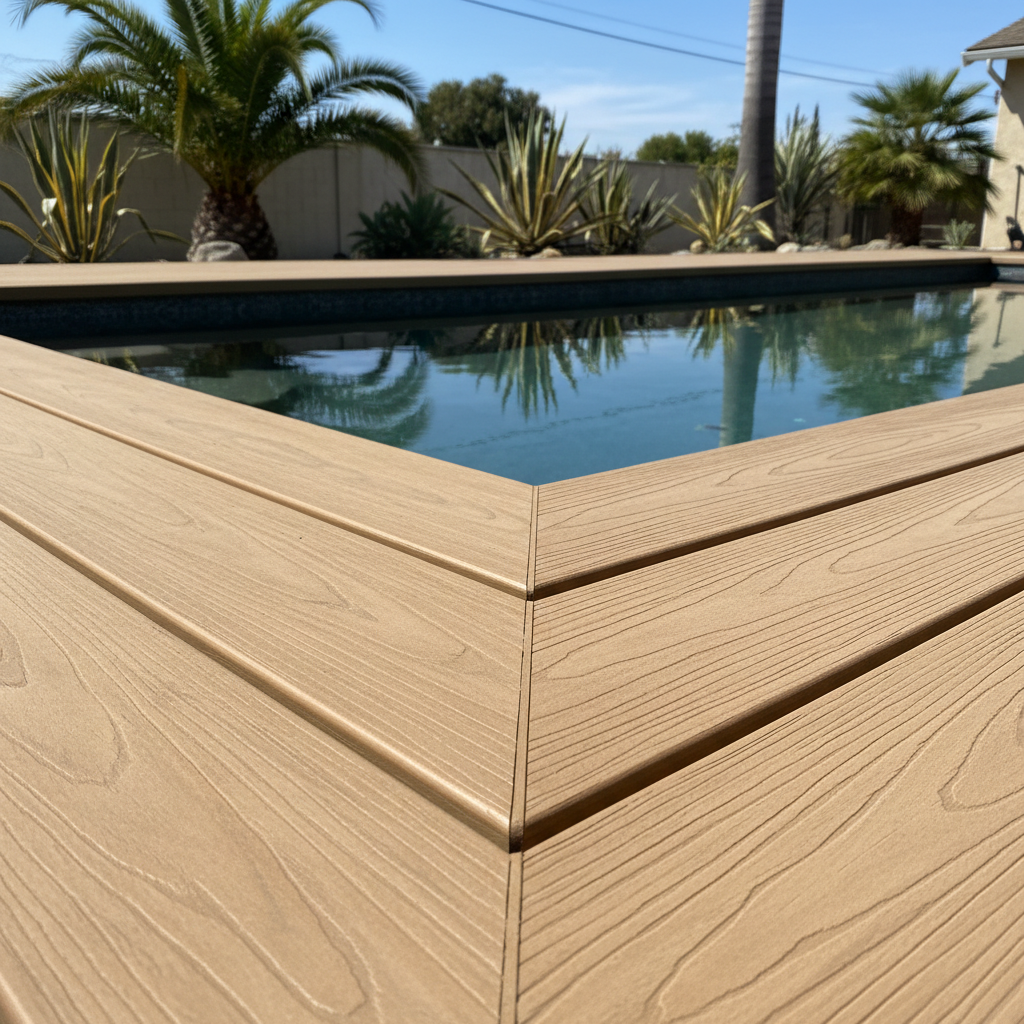
So, you've got a pool, or you're thinking about putting one in, and now you're staring at that concrete slab or patch of dirt around it. What's next? A pool deck, of course. It's not just about looking good; it's about safety, comfort, and making your backyard a real oasis. But here's the thing: a pool deck project isn't like painting a spare bedroom. There's a lot to consider, and knowing when to roll up your sleeves and when to pick up the phone is key.
Before You Even Think About Building
Planning is probably the most important part of any home improvement project, and a pool deck is no exception. You can save yourself a ton of headaches, and money, by doing your homework upfront.
- Check Local Codes: This is non-negotiable. Inglewood has specific building codes, especially around pools. Things like fence heights, gate latches, and even the type of material you can use might be regulated. You don't want to build something only to find out you have to tear it down, right? This is definitely a 'you' can do it part – hop online or call the city's planning department.
- Design & Layout: Think about how you'll actually use the space. Will you have lounge chairs? A dining area? A grill? How much foot traffic will there be? Consider sun exposure throughout the day. Sketch it out. Measure everything. This helps you figure out the size and shape you need. You can absolutely do this yourself, maybe even with some graph paper and a tape measure.
- Material Selection: Now this is where things get interesting. Concrete pavers, natural stone, composite decking, wood... each has its good points and bad points. For pool areas, you want something that's slip-resistant when wet, comfortable on bare feet (doesn't get scorching hot), and tough enough to handle chlorine or saltwater. I've seen a lot of folks around here in the older parts of Inglewood, like the Morningside Park area, with original concrete around their pools that's cracked and faded. It's a prime candidate for an upgrade. Research different materials – you can do this online, visit local suppliers, or even get samples.
- Budgeting: Be realistic. Materials, labor (if you hire out), permits, and unexpected costs. Get quotes for materials and, if you're leaning toward hiring, get a few bids from contractors.
During the Project: DIY vs. Pro
Okay, you've got your plan. Now, who's actually going to do the work? This is where the 'DIY vs. Pro' question really comes into play.
What You Can Probably DIY (If You're Handy)
If you're comfortable with tools, have some construction experience, and a good amount of time, you might be able to tackle some aspects yourself.
- Demolition: If you're replacing an old deck or patio, tearing out the old stuff can be a DIY job. Just make sure you have the right tools, safety gear, and a plan for debris removal.
- Site Prep (Basic): Clearing the area, minor leveling, and laying down weed barriers could be something you handle.
- Simple Paver Installation: For a small, straightforward paver patio, if you're careful about leveling and compacting the base, you might be able to do it. It's labor-intensive, but not rocket science.
- Finishing Touches: Sealing a concrete or paver deck, staining a wooden one, or adding decorative elements are often well within a homeowner's capabilities.
When It's Smart to Call a Pro
For anything beyond the basics, or if you're short on time or experience, a professional is usually the way to go. This is especially true for anything involving structural integrity, complex designs, or specialized materials.
- Complex Designs or Large Areas: If you're looking for intricate patterns, multiple levels, or a really large deck, a pro will have the experience and equipment to get it done efficiently and correctly.
- Structural Work: Building a raised wooden or composite deck around a pool involves footings, framing, and often attaching to the house. Get this wrong, and you've got a serious safety hazard. This is not a DIY job for most homeowners. You need to know what you're doing with load-bearing structures.
- Specialized Materials: Installing certain types of natural stone or complex composite systems often requires specific tools and expertise to ensure a perfect, long-lasting finish.
- Permits & Inspections: A good contractor, like us at Inglewood Deck Creations, knows the local permitting process inside and out. They'll make sure everything is up to code, which saves you headaches down the line.
- Time & Efficiency: Pros have crews and equipment. They can get the job done much faster and often with fewer mistakes than a weekend warrior.
After the Build: Keeping It Looking Great
So, the deck's built, the pool's sparkling, and you're enjoying your new space. Don't forget about maintenance. It's not a 'set it and forget it' kind of deal.
- Regular Cleaning: Sweep off leaves and debris. Wash it down regularly to prevent grime and mildew buildup. A pressure washer can be your friend here, but use it carefully, especially on softer materials like wood or some composites.
- Sealing/Staining: Depending on your material, you'll need to re-seal or re-stain periodically. This protects against UV damage, moisture, and general wear and tear. For wood decks, I usually recommend a good quality stain every couple of years, especially with our strong SoCal sun.
- Check for Damage: Periodically inspect your deck for loose boards, cracks, splinters, or any signs of wear. Catching small issues early can prevent bigger, more expensive problems later.
- Winterization (Sort Of): We don't get harsh winters here, but it's still a good idea to give your deck a thorough cleaning before any extended periods of non-use, and make sure any furniture is stored or covered.
Ultimately, a pool deck is a big investment in your home and your lifestyle. Do your research, be honest about your skills and time, and don't be afraid to call in the experts when you need to. You'll be glad you did when you're relaxing poolside on a beautiful, safe deck.